

Hey there! I'm a supplier of Fiber Optic Pigtail Single Mode, and today I want to chat about whether these little wonders can be used in industrial automation.
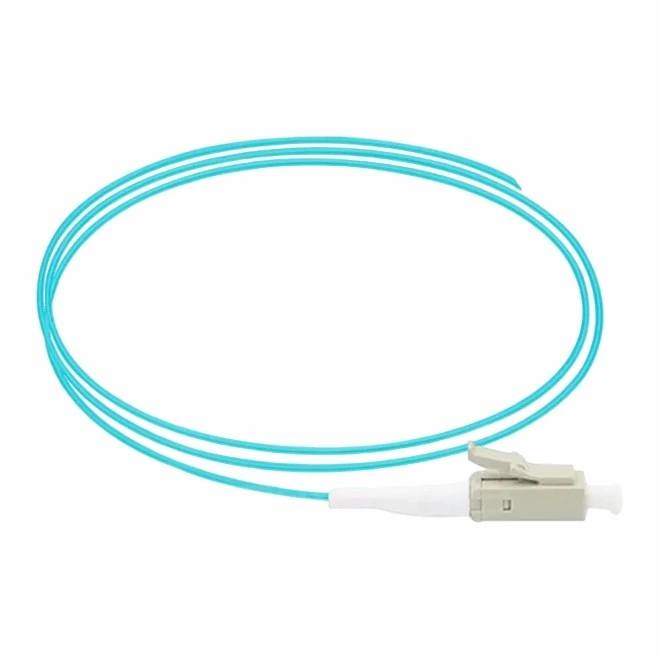
First off, let's get a bit of background. Fiber optic pigtails are short lengths of fiber optic cable with a connector on one end. The single - mode ones are designed to carry a single ray of light, which allows for long - distance and high - speed data transmission.
In industrial automation, there are a ton of requirements. You need reliable communication, high - speed data transfer, and the ability to operate in harsh environments. So, can a Fiber Optic Pigtail Single Mode meet these needs?
Advantages in Industrial Automation
High - Speed Data Transfer
One of the biggest perks of using a Fiber Optic Pigtail Single Mode in industrial automation is the high - speed data transfer. In modern industrial settings, there's a huge amount of data being generated all the time. For example, sensors on manufacturing equipment are constantly sending data about temperature, pressure, and other parameters. With single - mode pigtails, this data can be transmitted at incredibly high speeds. They can handle gigabits of data per second, which is crucial for real - time monitoring and control in industrial processes.
Long - Distance Transmission
Industrial facilities can be quite large, and sometimes, the distance between different parts of the automation system can be significant. Single - mode fiber optic pigtails are perfect for this. They can transmit data over long distances without significant signal loss. This means that you can have sensors and control centers located far apart, and still have a reliable connection. For instance, in a large factory, you might have a control room at one end and sensors in different production areas. A single - mode pigtail can ensure that the data from those sensors reaches the control room accurately.
Immunity to Electromagnetic Interference
Industrial environments are full of electromagnetic interference. Motors, generators, and other equipment can create a lot of electrical noise. Unlike copper cables, fiber optic pigtails are immune to this kind of interference. This makes them a great choice for industrial automation, where reliable communication is essential. You don't have to worry about the data getting corrupted due to electromagnetic interference, which can lead to errors in the automation system.
Durability
Industrial settings can be tough on equipment. There are vibrations, temperature variations, and exposure to dust and chemicals. Fiber optic pigtails are designed to be durable. They can withstand a wide range of temperatures, from very cold to very hot. They're also resistant to moisture and chemicals. This means that they can last a long time in industrial environments, reducing the need for frequent replacements.
Challenges and Considerations
Cost
One of the main challenges of using Fiber Optic Pigtail Single Mode in industrial automation is the cost. They're generally more expensive than copper cables. The initial investment for installing a fiber optic network can be high. However, when you consider the long - term benefits, such as high - speed data transfer and durability, the cost can be justified. Over time, you might save money on maintenance and replacements.
Installation Complexity
Installing fiber optic pigtails requires some expertise. You need to have the right tools and knowledge to properly terminate the fibers and connect the connectors. If the installation is not done correctly, it can lead to signal loss and other problems. This means that you might need to hire a professional installer, which adds to the overall cost.
Compatibility
In some industrial automation systems, there might be existing equipment that uses different types of communication protocols. You need to make sure that the Fiber Optic Pigtail Single Mode is compatible with your existing system. Sometimes, you might need to use converters or adapters to make everything work together.
Alternatives
If a Fiber Optic Pigtail Single Mode doesn't seem like the right fit for your industrial automation needs, there are alternatives. Fiber Optic Pigtail Multimode is one option. Multimode pigtails can carry multiple rays of light, which is suitable for shorter - distance applications. They're generally less expensive than single - mode pigtails, but they also have a lower bandwidth and shorter transmission distances.
Another option is Fiber Optic Pigtail Kits. These kits come with everything you need to install a fiber optic network, including pigtails, connectors, and tools. They can be a convenient option, especially if you're new to fiber optic installations.
Conclusion
So, can a Fiber Optic Pigtail Single Mode be used in industrial automation? The answer is yes. They offer high - speed data transfer, long - distance transmission, immunity to electromagnetic interference, and durability. However, they also come with some challenges, such as cost and installation complexity.
If you're considering using Fiber Optic Pigtail Single Mode in your industrial automation system, it's important to weigh the pros and cons. Think about your specific needs, such as the distance between different parts of your system, the amount of data you need to transfer, and your budget.

If you have any questions or want to discuss your requirements further, feel free to reach out. We're here to help you make the right choice for your industrial automation needs.
References
- "Fiber Optics in Industrial Automation," Industrial Technology Journal, 2022.
- "Advantages of Single - Mode Fiber in Industrial Settings," Fiber Optics Magazine, 2021.